
Lake-effect ready: a winter car kit for Rochester drivers
Whiteouts on the 490 and the Thruway can turn a short drive into a long wait. Here is what we keep in the trunk from November to April.
Anyone who has driven the 490 in a lake-effect band knows how fast the road can disappear. One minute it is gray and dry, the next you are following taillights at 20 miles an hour. Most winter trips end fine, but a little preparation turns a stuck car or a slide into the shoulder from a crisis into an inconvenience.
The core kit
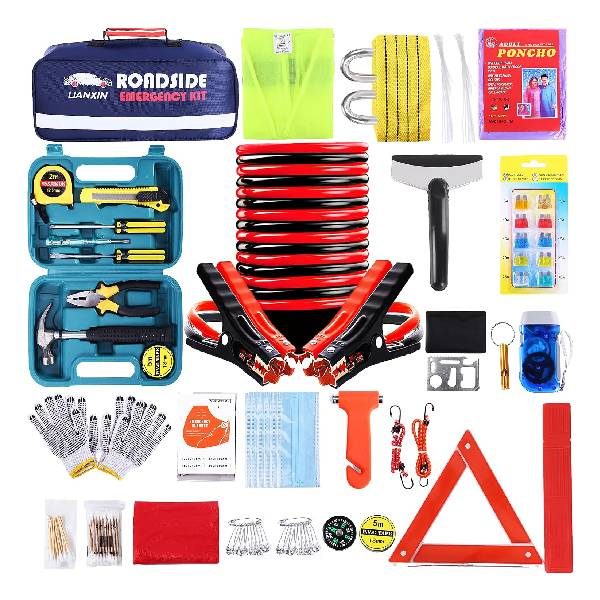
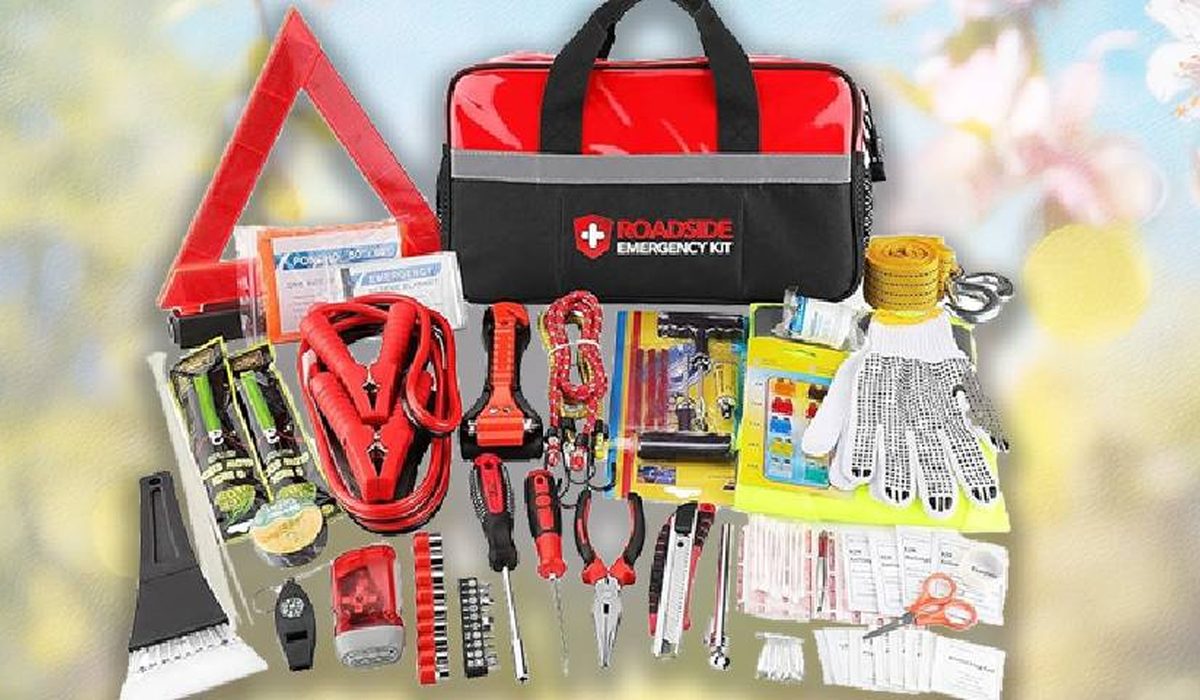
- Jumper cables and a tow strap. Cold batteries fail more often, especially in older cars parked outside overnight.
- A reflective triangle and a flashlight. Visibility is the biggest risk when you are stopped in falling snow.
- Gloves, a hat and a blanket. If you are waiting for help, staying warm matters more than anything else.
- A basic first aid kit. Keep it where you can reach it from the driver's seat.
A ready-made emergency roadside kit covers most of this in one bag, which makes it easy to move between cars.
Check tire pressure when the temperature drops
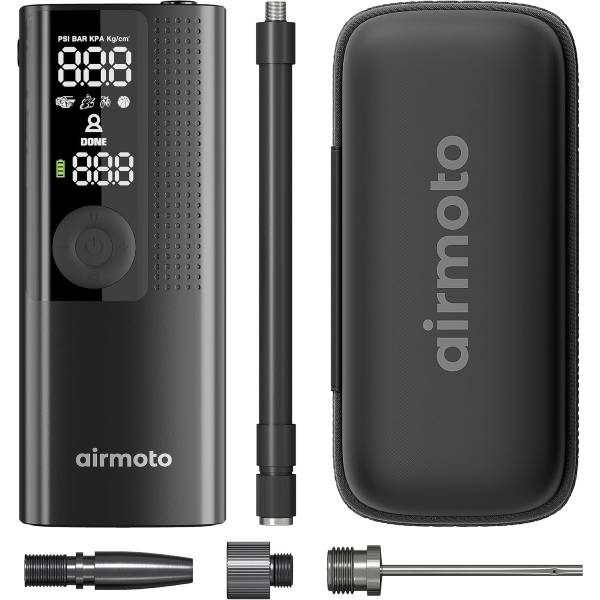
Tire pressure falls by roughly one PSI for every ten degree drop in temperature. The first real cold snap of November often triggers the dashboard light. A portable tire inflator lets you top up in your own driveway in a couple of minutes.
Do not forget the glare
Low winter sun on fresh snow can be blinding on the drive home. Yellow-tinted driving sunglasses add contrast on flat, overcast days, and polarized lenses help on bright ones.
Before you leave
- Clear all the snow off the car, including the roof. New York drivers can be ticketed for obstructed views.
- Keep the gas tank at least half full so you can run the heater if you get stuck.
- Check the NY 511 road conditions before longer trips on the Thruway.
- If you are stuck, stay with the car, keep the exhaust pipe clear of snow and run the engine for short periods only.